 1300 131 270
  Back to Services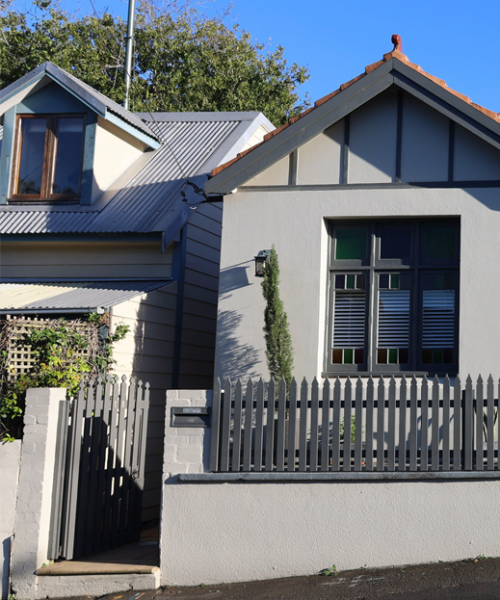
Tyrrells will provide an independent detailed photographic record with observations for each item in our Report. We typically identify movement, damage & improvements to the buildings, assets or public infrastructure being surveyed.
Our experience and knowledge of construction types enables us to pinpoint the parts of buildings most vulnerable to likely movement or other damage.
Tyrrells highly experienced team have prepared tens of thousands of building condition reports over 40+ years across small projects and worked on over 500 large projects including:
- Newcastle East V8 Supercars
- M4 Smart Motorway
- Princes Highway Upgrades (Bomaderry & Kundabung)
- Great Western Highway Upgrade (Mt Victoria)
- Alfords Point Road widening
- Central Station Main Works
- Main North Shore Corridor
- Sydenham Station Junction
- Sydney Yard Access Bridge
- Sydney Opera House upgrades
;)
A Dilapidation Report details the condition of a building and/or piece of infrastructure prior to excavation or other construction work being carried out on an adjacent property. We prepare a photographic record of “before” photos with individual commentary in case they are needed in evidence.
Dilapidation inspections are usually conducted immediately prior to the commencement of proposed building work and always before major excavation or construction work involving heavy machinery.
Many Authorities require Dilapidation Reports to be carried out on properties adjoining, near, over or under proposed building or infrastructure works, or as part of the DA conditions of approval.
Generally, all habitable internal & safely accessible exterior areas are surveyed.
For example, roof exterior areas are viewed and photographed from ground level or balconies, whilst subfloors & roof voids are excluded.
Most surveys to residential units can be completed in under 1 hr, whilst detached homes are typically 1-2 hrs.
Reports are typically made available in to 3-5 working days following the inspection.
Tyrrells take care of all access requirements by sending 2 x formal access request letters in the mail & performing a door knock to each & every property.
Records of our access attempts are meticulously maintained so where access is denied or no response is received, we provide on company letterhead a statement of our activities.
The above mentioned actions typically satisfy the DA Conditions so the Certifier can issue the Construction Certificate.
Normally, this Report is the responsibility of the Builder or Developer, who pays for it as a requirement of council conditions. Dilapidation Reports are very useful for builders because it helps them reduce the risk of damages claim from an adjacent property.
Even if authorities in your area don’t require this report, it might be helpful to conduct one, as it can help protect you against future litigation, in case neighbors claim that your construction work has caused damage to their homes.
While the condition report is used when a Tenant vacates the building at the end of a lease, to avoid possible disputes about the condition of the building, the Dilapidation Report is used by building owners to analyse the condition of the building at the end of a Lease/before beginning construction works. It includes all required repairs plus the costs involved.